-
-
-
Login


Glen Loates R.C.A.
Preview this work in a styled room, or on a photo of your own wall. Works on your phone, tablet or computer.
Complimentary shipping, carefully packed and delivered to your door.
Our promise to you: if a piece doesn't feel right in your home, let us know and we will make it right.
Two black bear cubs explore a summer meadow — one browsing pink fireweed, the other watching from among the clover. The luminous blue-washed sky behind them gives the whole composition a softness that perfectly matches the subject: these are animals at their most unhurried, in the kind of light that only exists for a few weeks in a northern summer.
This piece is executed in coloured pencil, one of Glen's favoured mediums for smaller wildlife studies where he wanted the texture of the paper to work with the subject's coat. Every individual hair on the cubs' dense black fur is suggested rather than stated — the hallmark of an artist who knows when to stop.
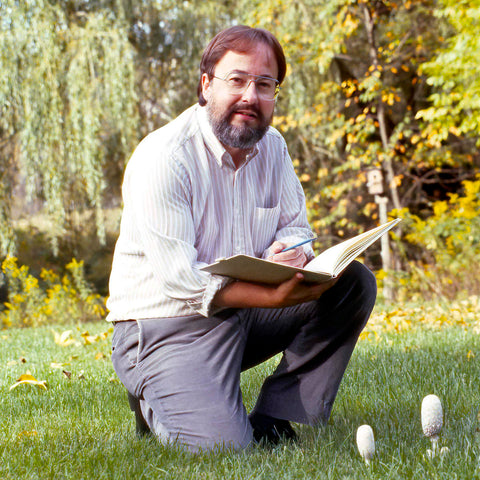
Listen to Glen's biography · 9 min
The full written biography is on the Biography page.
The format
Materials
5.0 out of 5, from 1 review of this work
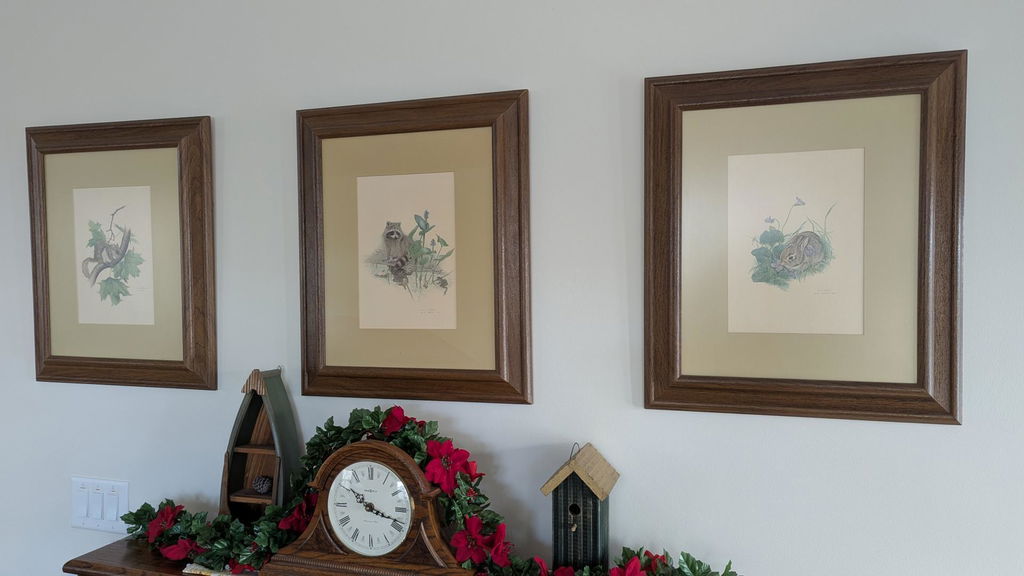
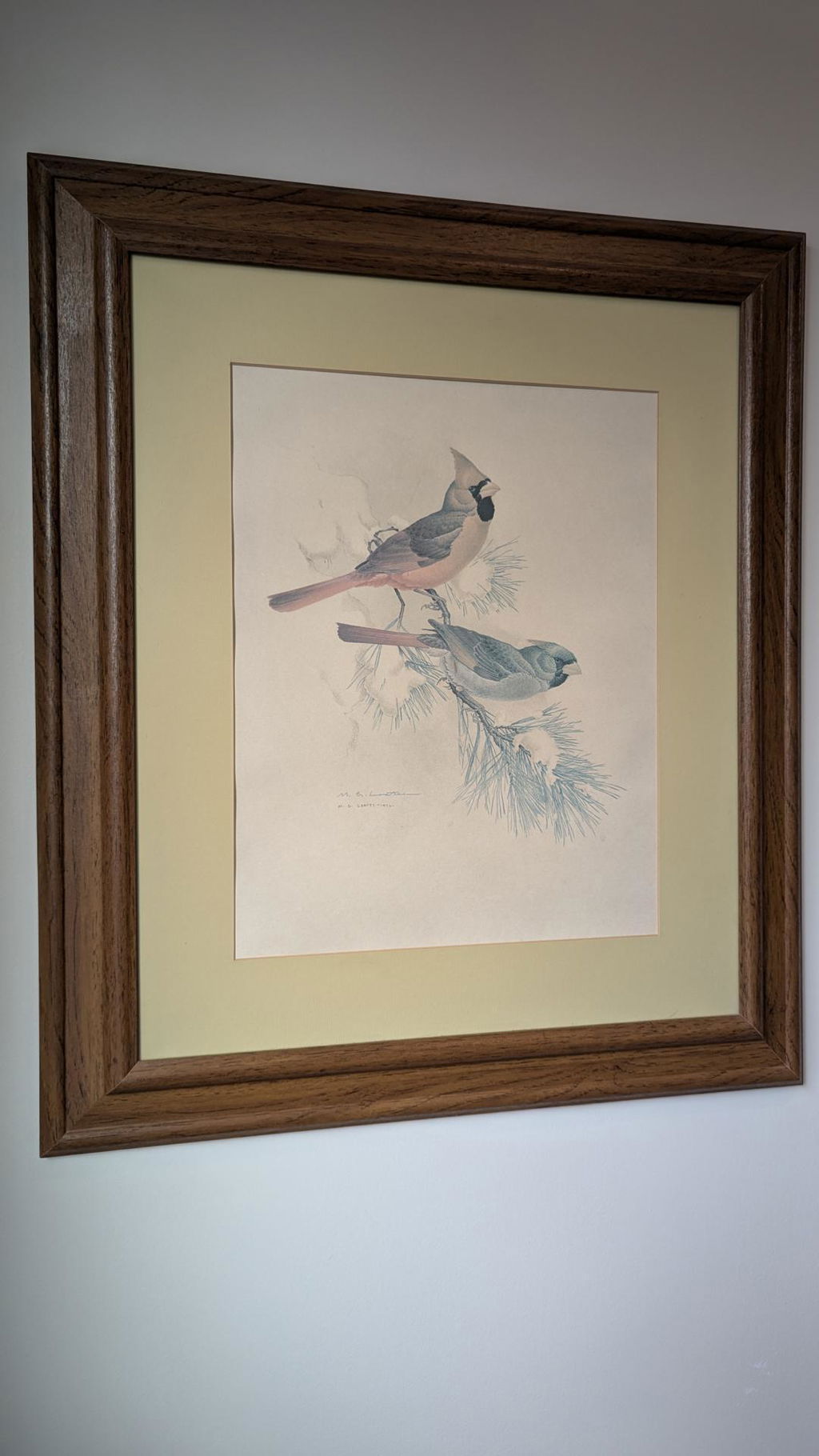
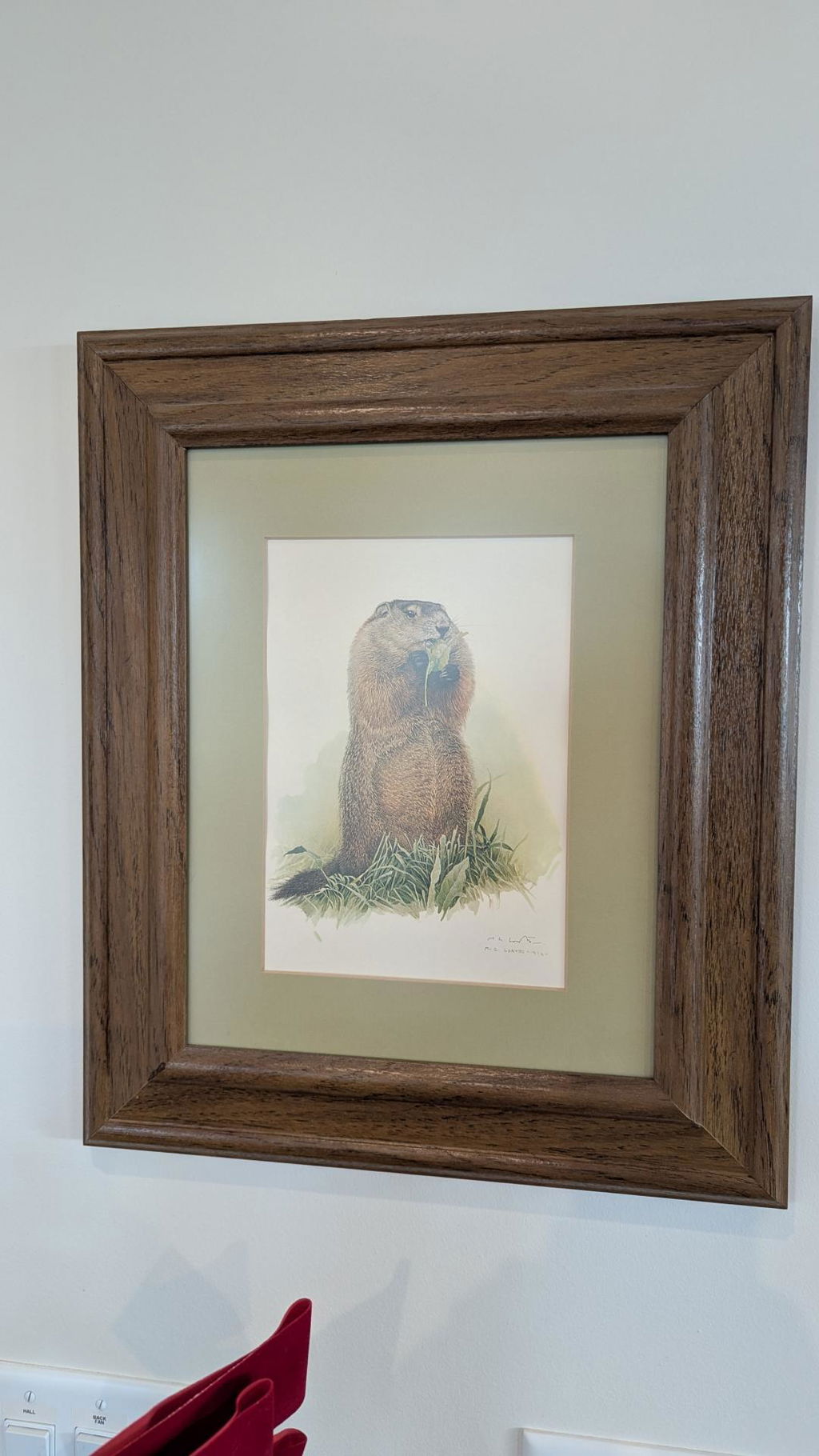
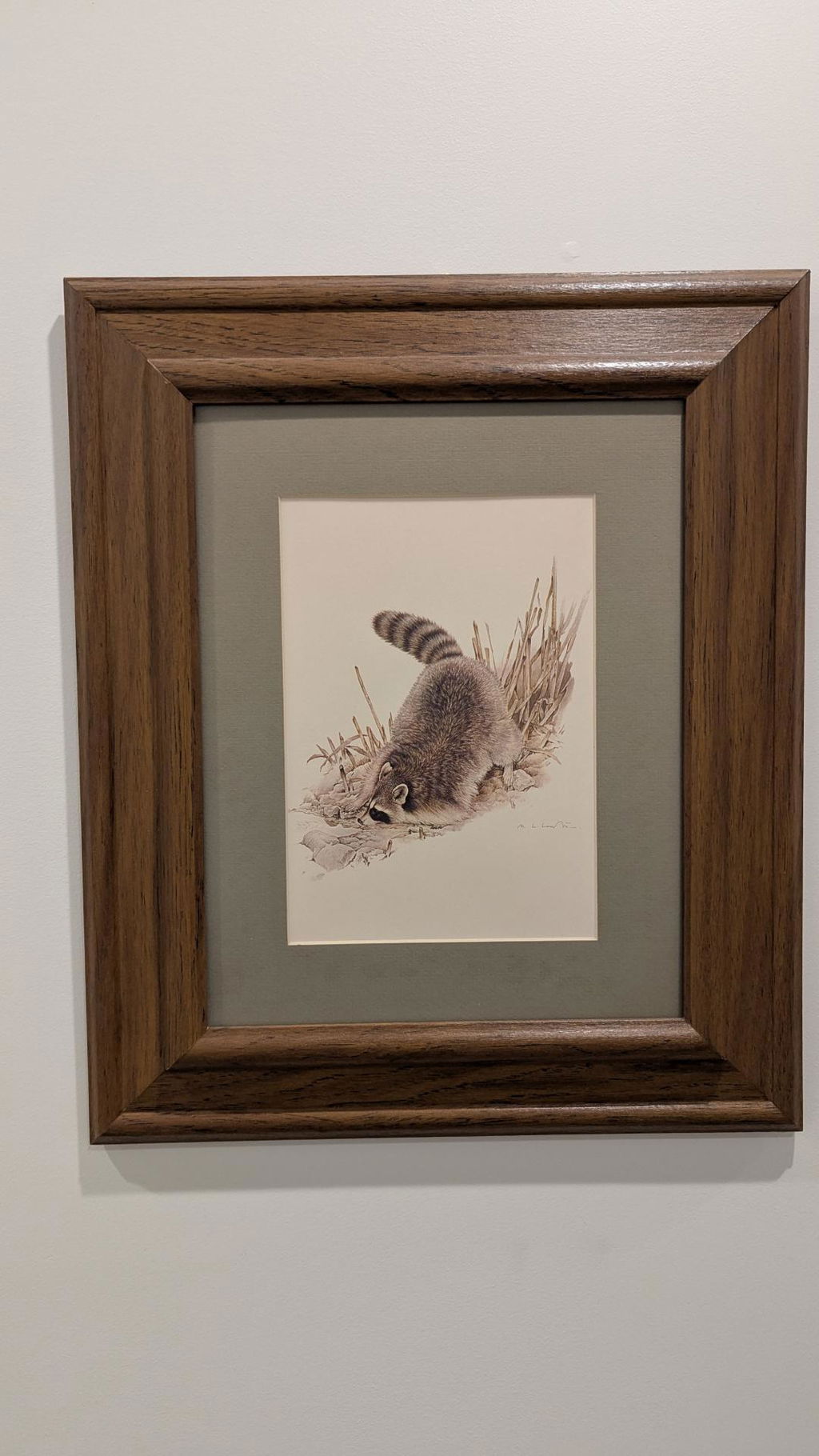
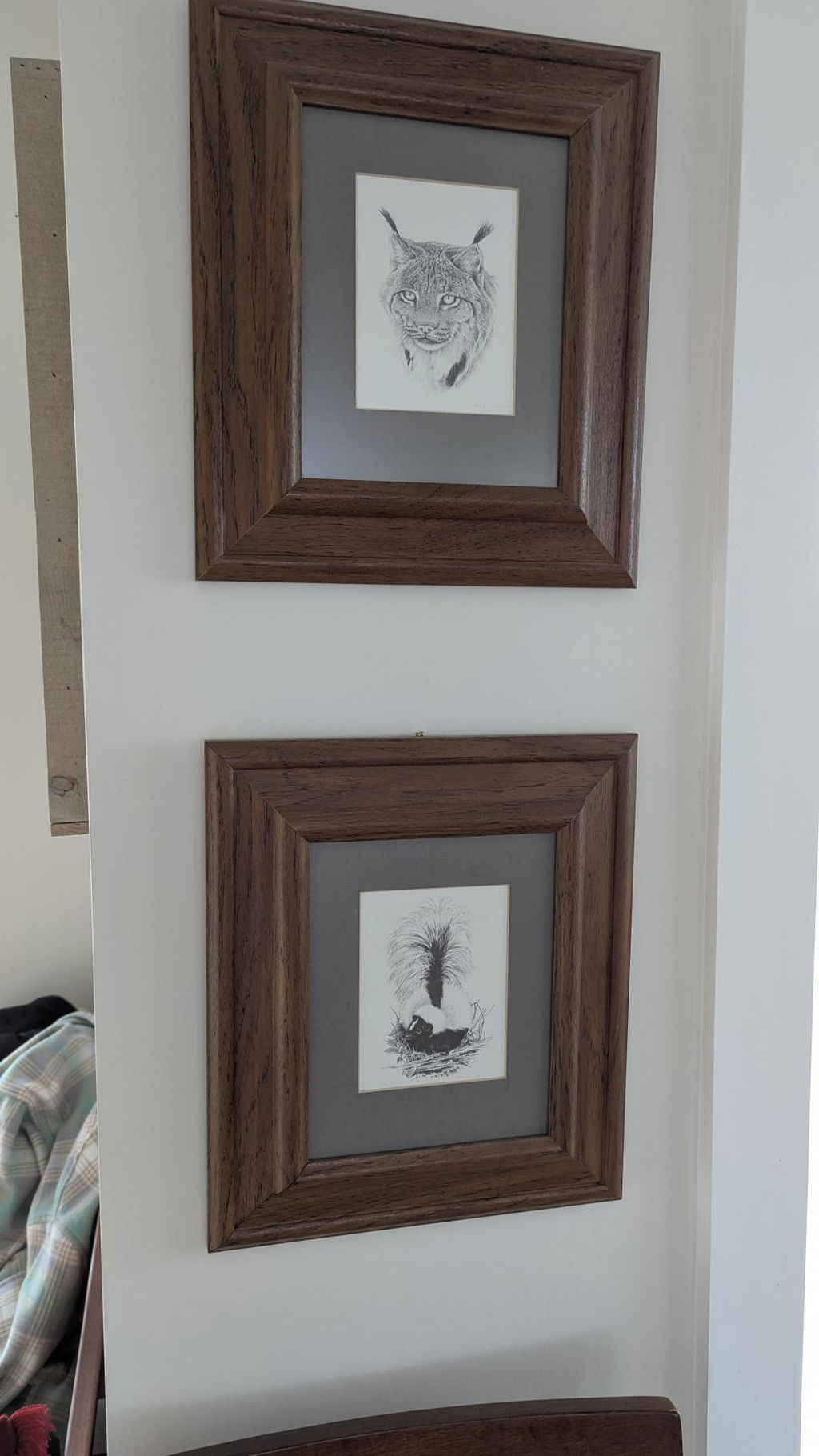
We inherited 13 framed Glem Loates prints after my mother passed. She had purchased these prints in the late 1970's and displayed in our family home since that time. I have so many fond memories of growing up with the wildlife prints that truly inspired imagination and made our house a home. The B&W prints are still holding up extremely well, however a few of the colored prints have experienced yellowing and color fade due to displaying them in areas of direct sunlight. We are starting to replace the most faded prints; however, we believe these have truly stood up to the test of time as they are over 50 years old and will continue to be passed on to the next generation. We were so delighted to have found these prints still available online for sale and we will be returning customers. Thank you for inspiring our home and a lifetime of fond memories.
The Gregorys, Tennessee USA.
Michael, my apologies for the long delay in replying to this. It deserved an answer far sooner.
Thirteen of my father's works in one family home for fifty years, and now heading to a third generation, is about the best thing an artist can hear. Thank you for the photographs too.
I want to explain the fading properly, because you worked it out yourself and you deserve the full answer.
The works your mother bought in the late 1970s were produced by my parents, who ran the business as Premier Art Editions, using colour separations. That was the standard process of the era. The image is built from a fine screen of coloured dots, and those inks were never designed to hold up against decades of direct sun. What you observed is exactly what happens, and it is why the black and white pieces have held while some of the colour ones have shifted.
I should say that my father did not simply send the paintings away to be printed. He went to the printers himself and stood at the press, checking the separations against the original and correcting the colour until it matched. The colour on the pieces your mother bought was signed off by the man who painted them. What he could not control was the chemistry of the inks available in 1978.
The works we produce today are a different object. They are giclee, printed with Epson pigment inks from high-resolution digital files onto acid-free paper and canvas. There is no dot screen at all. Put a magnifying glass on one of your 1970s pieces and then on a new one and you will see it immediately: a rosette of dots on the old, continuous pigment on the new. The pigments are also far more stable under UV light.
I would still keep any of them out of direct sunlight. No pigment is immune, and the ones you already own are irreplaceable in a way a new piece is not.
If you tell me which of the thirteen you are replacing, I will help you match them properly.
Michael Loates | The Glen Loates Gallery
View in Your Space
Imagine this work in your home before it arrives. Place it in a styled room, or on a photo of your own wall, and choose the size and frame that feel right.
Works on your phone, tablet or computer.


Shared by our collectors
Glen's work has hung in homes for decades. Here are a few pieces where they live now, photographed by the collectors themselves.

“…brings to mind fond childhood memories walking with my father.”
Linda F.

“We love the print very much. A few years ago, we had a beautiful fox arrive at our home.”
Betsy B.

“I have so many fond memories of growing up with the wildlife prints that truly inspired imagination and made our house a home.”
Michael G.
A family collection, begun in the late 1970s

“I choose prints from here because of the incredible detail and he is a Canadian artist.”
Barb R.

“It's hanging beside a lake that has Loons. Nice setting.”
Christopher W.

“This piece really brings out their personality and looks great at my cottage.”
Anne G.

“I love your father's work and will be back again for more.”
Anne G.

“Looks great in the room, and compliments the colours and theme I am going for.”
Lynda H.